How to choose your living room colour scheme
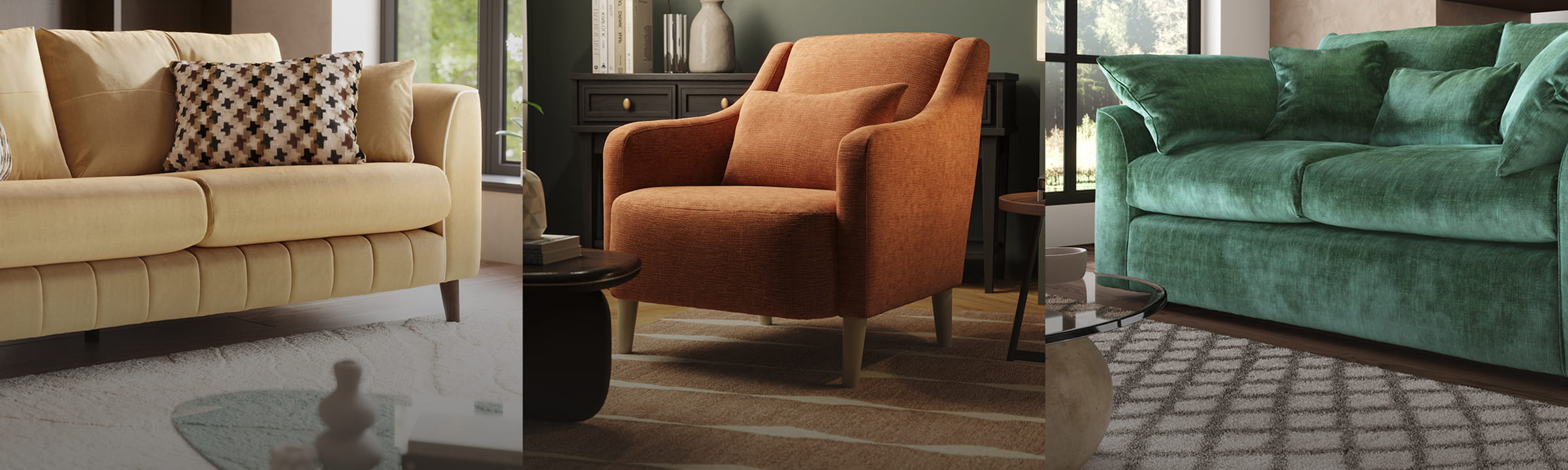
Your living room colours are perhaps the most influential décor decision you can make, setting the entire mood and ambience of your lounge. But with an endless spectrum of shades to consider, where do you begin?
For Julia Bilotta, Creative Stylist at Sofology, choosing a colour palette is the first and most fundamental step in designing a living room. “It's not about following fleeting trends,” Julia explains, “but about discovering the tones that will make your space feel welcoming and restorative. The right combination can make a room feel cosier, more spacious, or more serene, all depending on the way you want to live."
From calming neutrals to a striking two-colour combination for living room designs, here are our tips for finding the best colours for your living room.
1. Define the atmosphere you want to create
Before you pick up a paint swatch, think about how you want your living room to feel. Is it a calm retreat for quiet evenings, a vibrant hub for socialising, or a cosy family space for movie nights? The atmosphere you want to cultivate will guide your colour choices.
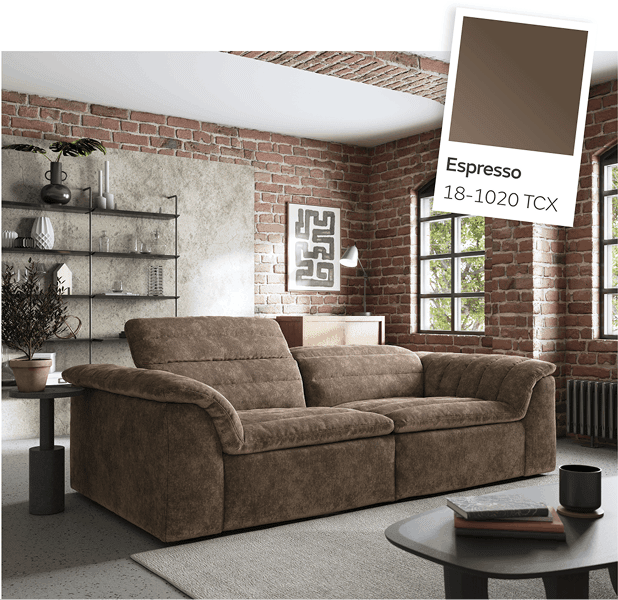
Warm colours - think terracotta, muted yellows, and soft browns - tend to create a snug and inviting environment, perfect for making a large living room feel more intimate and welcoming. You could incorporate these tones through furniture, like with our Gracie sofa in Trusty Sheen Leather Chocolate, or alternatively you could pair warm-toned accessories with earthy artwork.
On the other hand, cool colours like soft blues, gentle greens, and stone greys can bring a sense of calm and freshness to a space. These brighter tones reflect light, which can help a smaller living room feel more open and airier.
"The mood of a room starts with its colour. Ask yourself if you want to feel energised or relaxed when you walk in. A palette of soft, earthy tones will naturally encourage you to unwind, while a scheme with clearer, brighter notes can make you feel invigorated when you step into the space."
Medina Adam, Buyer at Sofology
2. Anchor your scheme with the sofa
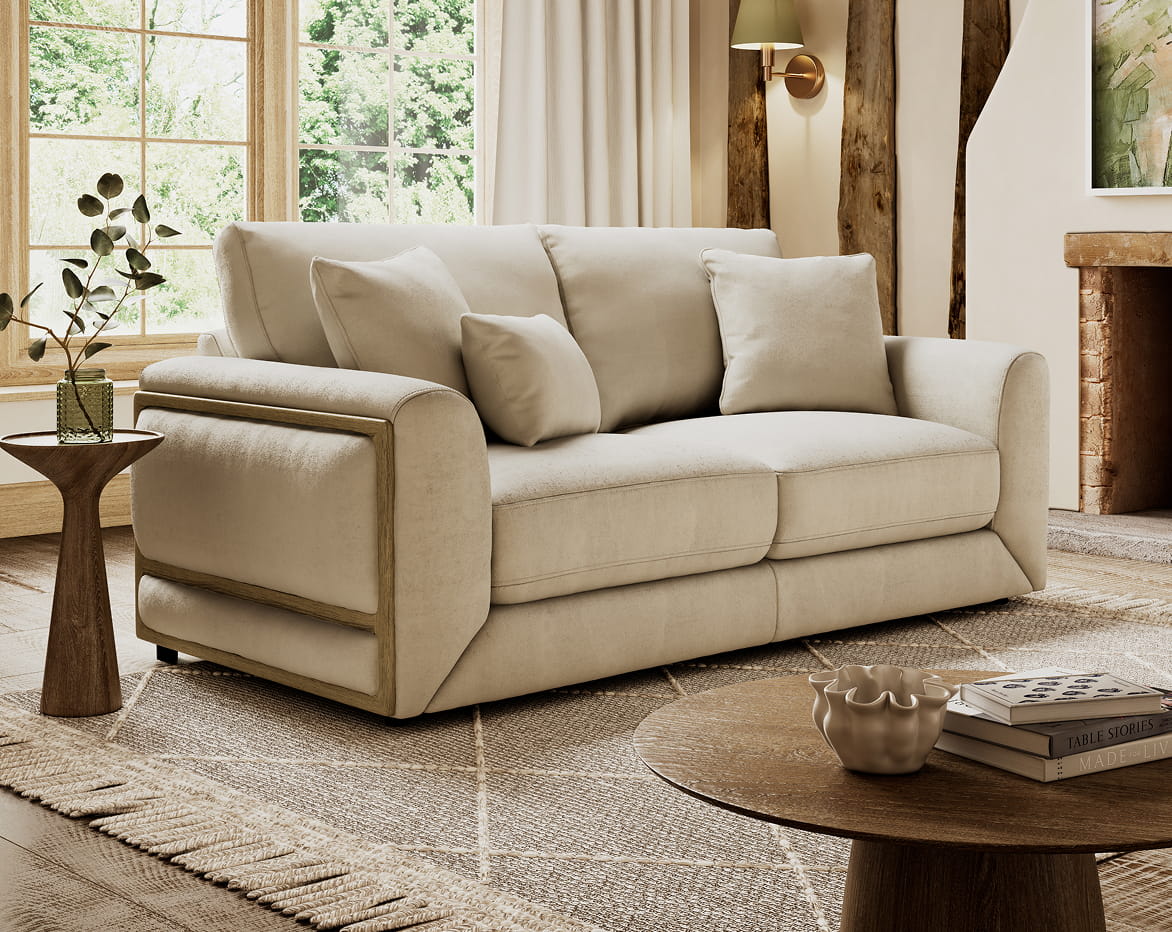
As one of the largest pieces of furniture, your sofa is the natural anchor for your living room colours. You could use a neutral sofa as a centrepiece in a neutral living room, or build upon it with accessories in more adventurous shades.
Opting for furniture in versatile neutrals - such as a cream sofa or a light grey armchair - gives you the freedom to change the entire colour scheme of your lounge whenever you want, as your neutral sofa is flexible enough to work with many different colours.
Alternatively, a statement sofa in a rich tone like deep navy or warm butterscotch leather, can become the focal point of the room. From there, the rest of the palette can be layered around it, drawing on complementary or contrasting shades to create a scheme that feels cohesive. Imagine an emerald green sofa paired with lush greenery and jade-toned accessories, creating a space that feels vibrant and unified.
3. Master a modern two-colour combination
A two colour combination for your living room is a classic approach that always feels considered and ‘put-together’. The trick is to strike the right balance.
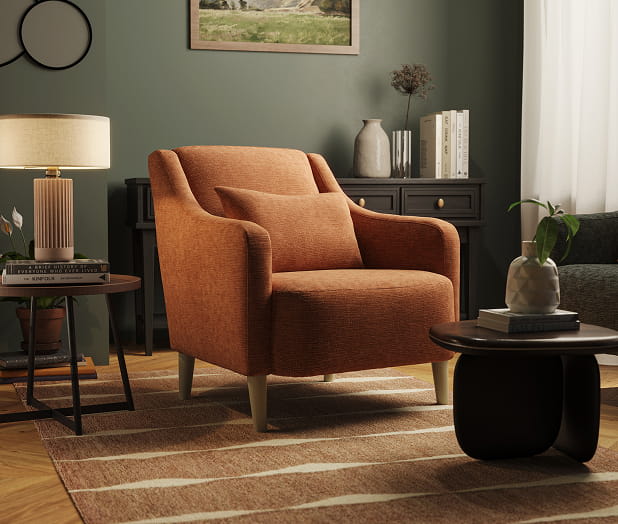
Rather than following a strict formula, focus on giving one colour the lead while the second acts as a supporting tone through furniture and accessories. As a rough guide, we recommend using around 70% of your dominant colour, typically on walls, larger furniture pieces, or flooring. The remaining 30% can then be introduced through soft furnishings, artwork, lighting, and decorative accents to create a balanced, cohesive look.
Our favourite modern two colour combination for living rooms involves pairing a muted shade with a more saturated one. We recommend combining:
- Grey and ochre: Pale grey walls create a clean, contemporary backdrop for a striking ochre or mustard velvet armchair and matching cushions.
- Navy and blush: The richness of navy blue, used on a feature wall or a large sofa, is softened beautifully by accents of blush pink across throws, art, and ceramics.
- Green and tan: Deep forest green pairs wonderfully with the warmth of a tan leather sofa, creating a look that feels organic and earthy.
"A two-colour scheme brings structure to a room. The key is to choose colours with contrasting depths and vibrancies, to prevent your colour scheme from looking overpowering. This creates a sense of harmony, allowing the space to feel balanced and complete without being monotonous."
Julia Bilotta, Creative Stylist at Sofology
4. Layer tones for a rich and cohesive look
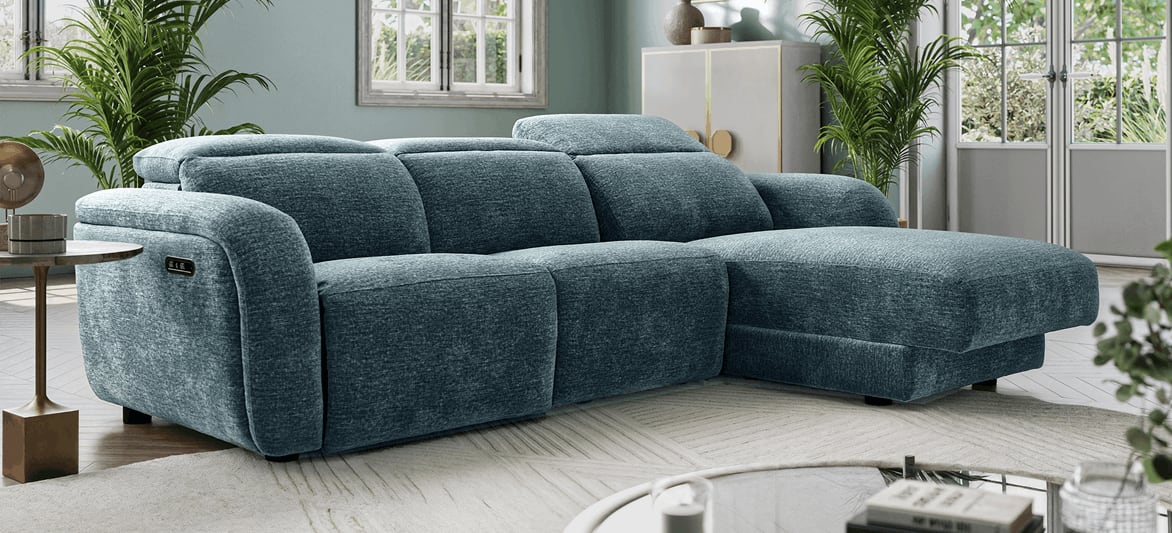
A successful colour scheme is rarely about using just two or three shades. The most inviting rooms gain their richness from layering multiple tones, tints, and shades from within the same family. This is one of the most effective colour ideas for a living room as it creates a sophisticated, curated feel.
If you’ve chosen blue as your primary living room colour, don’t just stick to one shade. Incorporate a spectrum, from a deep navy corner sofa to pale sky blue cushions and a mid-toned blue rug. The different blue tones will harmonise without looking overly curated, giving your space that lived-in, effortlessly put-together look.
This monochromatic approach creates a look that is calming yet prevents the palette from feeling flat. The best thing about this technique is that it works with any colour, from earthy neutrals to vibrant jewel tones.
5. Consider how light changes your colours
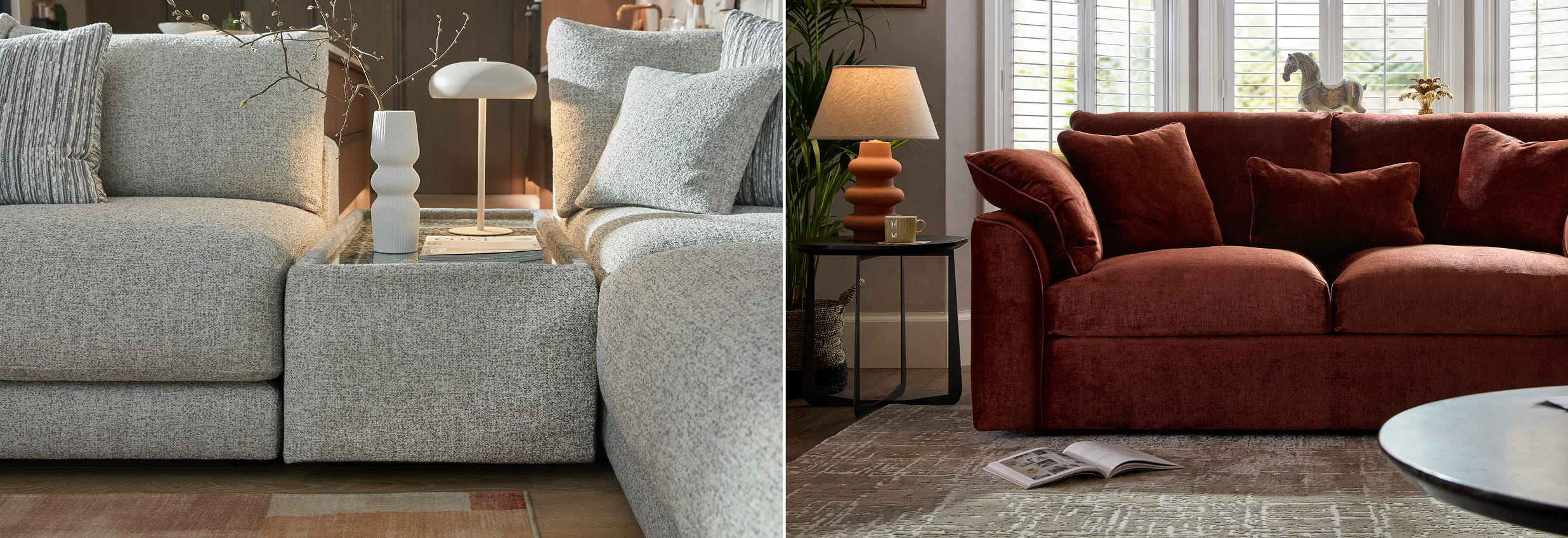
Natural and artificial light can completely transform the way living room colours appear throughout the day. A shade that feels warm and cosy in the evening might look cooler or brighter in direct morning sunlight, so it’s important to see how your palette behaves in your own space before committing.
Rooms with plenty of natural light can comfortably handle deeper, cooler tones without feeling dark or enclosed. Spaces with less natural light, however, often benefit from warmer shades, which help soften cooler daylight and create a more inviting atmosphere. Even the finish of your paint matters - matt finishes absorb light for a softer look, whereas satin or gloss finishes reflect light and can make colours feel brighter.
Before finalising your colour ideas for your living room, test paint samples on multiple walls and observe how they change throughout the day in both natural and artificial light. Paint large swatches of around 30cm x 30cm and leave them up for a few days so you can see how the colour looks morning, afternoon, and evening. This simple step helps you to avoid choosing shades that may feel too dull, too bright, or overpowering once fully painted.
“Light is just as important as colour itself. The same shade can look completely different depending on the direction your room faces and the time of day. Always test colours in your actual space before making a final decision.”
Medina Adam, Buyer at Sofology
Explore our sofa collection and find a piece to anchor your colour scheme, or explore our Sofological blog for more ideas on bringing your living room vision to life.