How to create a colourful monochromatic living room
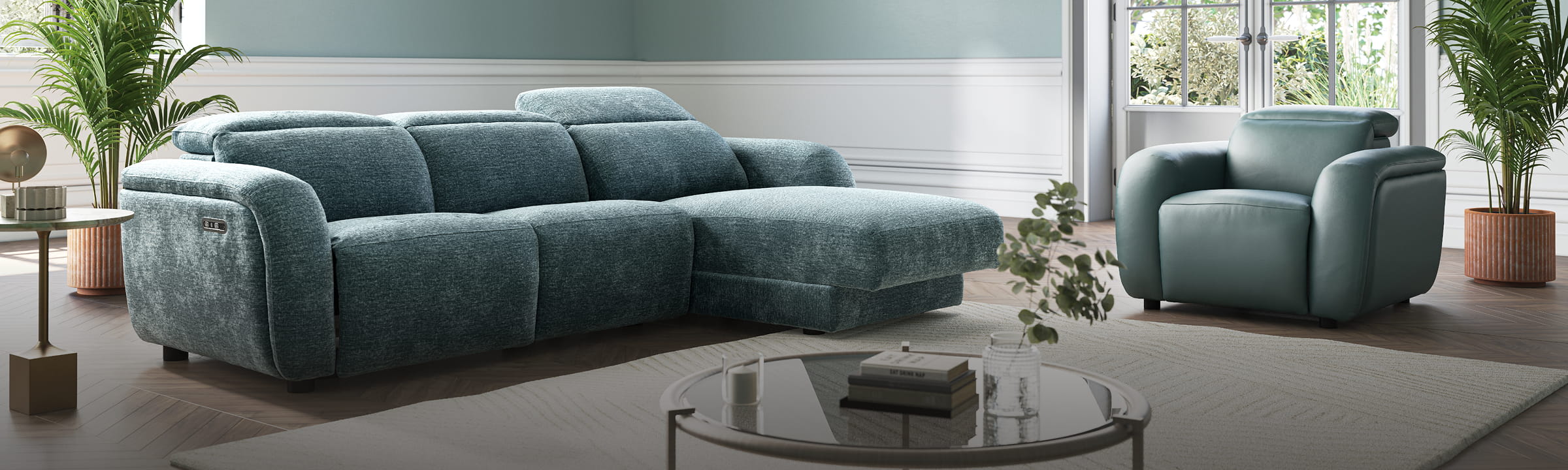
Contrary to popular belief, monochrome is not just black and white. A monochrome scheme can use any colour; the only rule is having the same hues and shades of that colour.
Say you prefer a green living room; you could use shades of olive, sage or even deep emerald for an extra pop of style. Because monochrome is all about layering shades, you can work with lightest and darkest shades of one colour together for the space, making it either a super calm sanctuary or a bold social hub.
For Julia Bilotta, Creative Stylist at Sofology, monochrome spaces are all about curating a timeless space for designed for you. "Monochrome is one of the simplest yet effective ways of decorating a room,” she explains. "It's incredibly versatile and works across so many different interior styles. The key is layering all the different shades and hues through upholstery and accessories to really make the space its own."
Ready to create a monochrome living room? Here are five ways to embrace one colour with several shades.
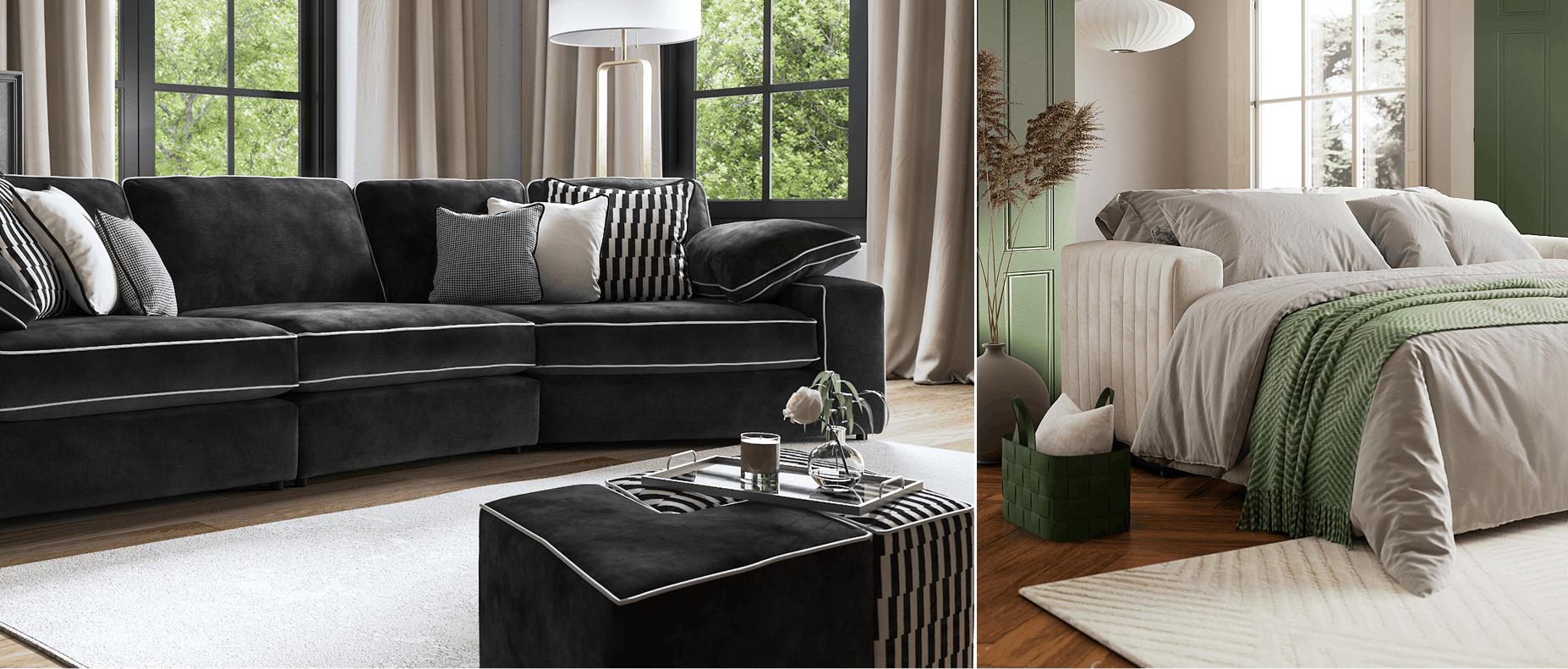
1. Choose your favourite colour
The best place to start with a monochromatic living room is with choosing a colour you genuinely love. Think about the atmosphere you want to create and how different shades could work with the natural light in your room.
For a calming space, consider going for blue, green, or pink. If you want something warmer and more cocooning, then terracotta, brown or deep purples can create a welcoming feel. Going for a dramatic look? Stark whites or highly saturated colours like royal blue can make a real statement.
Once you've chosen your colour, don't worry about finding an exact match for every item. Instead, create a palette of several related hues and shades, from the palest tint through to a much darker hue.
Then you can implement this in your monochromatic living room. Start with walls and ceilings, then move to upholstered pieces like sofas and accent chairs, before accessorising with side tables, a rug, and curtains to warm the space. Remember to add your own pops of personality too; it can all stay in-scheme using coloured frames.
"Choosing one colour gives you a really simple starting point, but the different shades are what bring the scheme to life," explains Julia. "Think about which shades you naturally gravitate towards and use these to build a palette that feels personal to you."
2. Use upholstery to integrate new shades
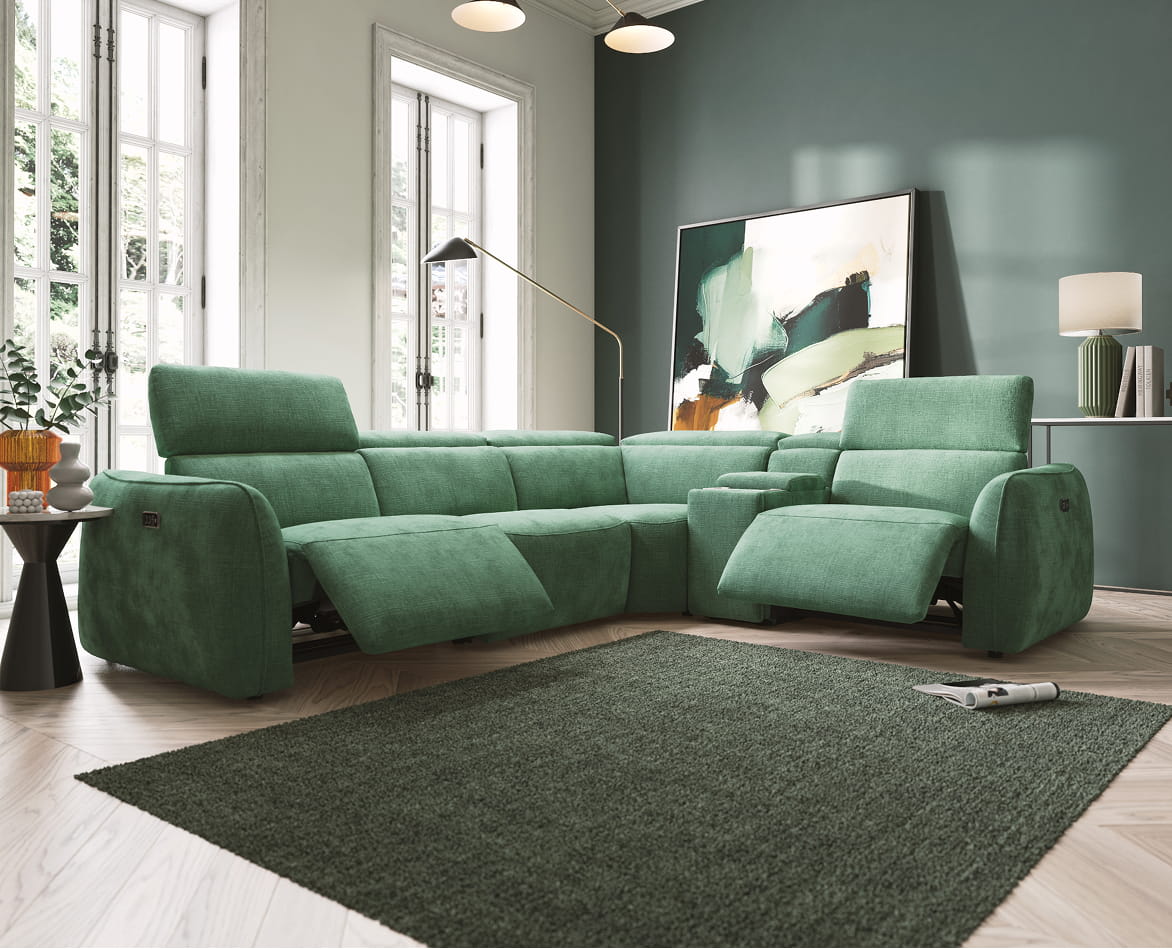
Your sofa is likely to be one of the largest pieces in your monochrome living room, making upholstery a great way to introduce your chosen colour. Whether you opt for a bold statement sofa or a softer shade to act as a neutral, you can build the rest of your scheme around it.
For example, take a rich emerald green sofa. You could introduce sage, moss and olive through an armchair, footstool or cushions. Alternatively, a pale blue sofa could be paired with denim, cornflower, and navy accents to create a layered tonal look.
Don't forget about smaller upholstered pieces, either. Footstools and accent chairs can help you bring another shade into the room without committing to a completely new colour.
"Upholstery is an easy way to introduce different tones without making a monochromatic room feel flat," says Julia Bilotta, Creative Stylist at Sofology. "Mixing lighter and deeper shades across your key pieces provides contrast, while keeping the overall palette beautifully connected."
3. Liven up the space with natural textures
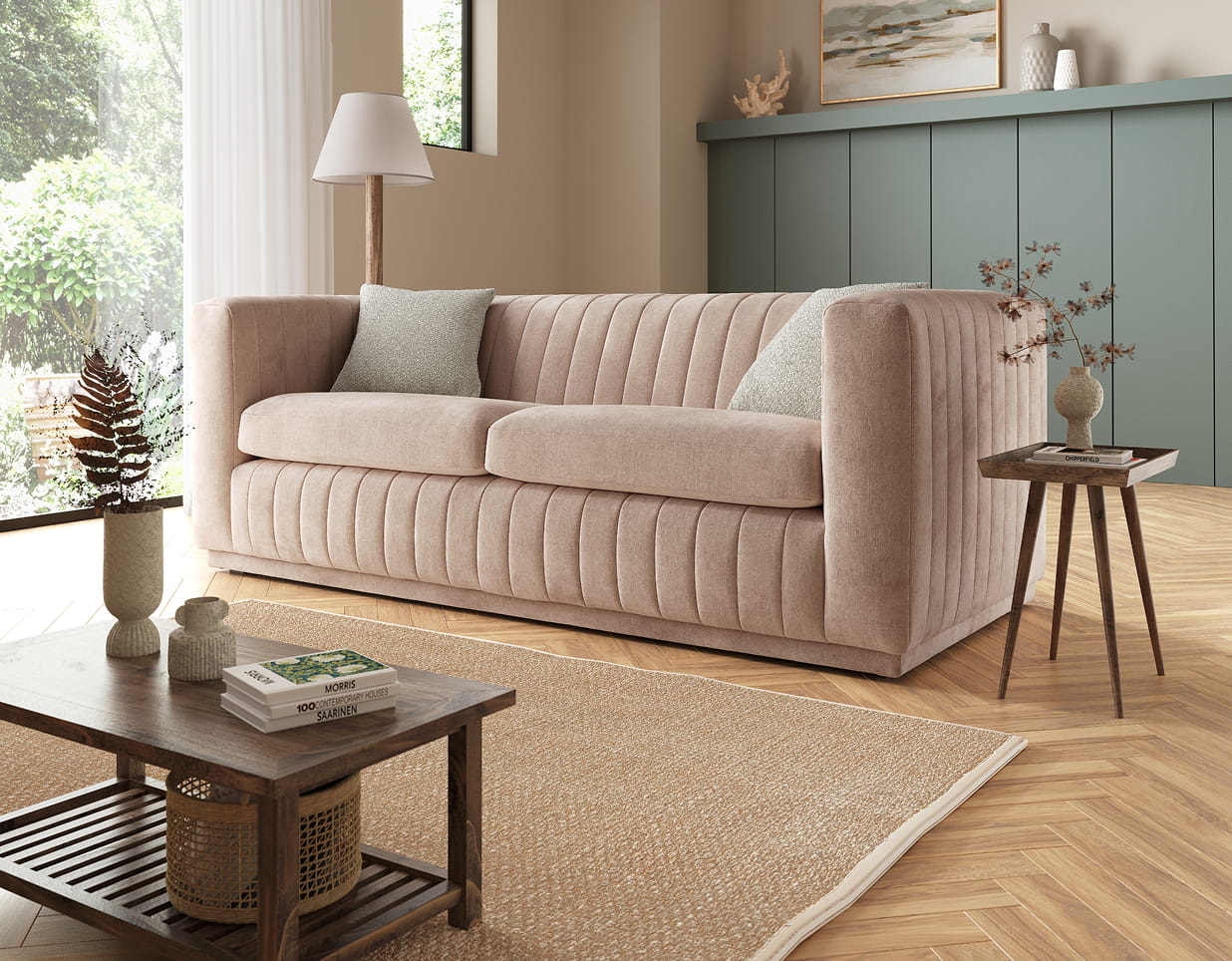
Once you've settled on your colour palette, it's time to think about the materials that will bring it to life. Natural textures are particularly useful in a monochromatic living room because they add contrast without taking away from your chosen colour.
Start with your larger pieces of furniture, then build up layers around them. If you've chosen a pink living room, your next step is a pink sofa, paired with a dark wood coffee table, a dusty pink woven rug and a yarn throw.
It can be the small things too. Dark oak or shiny brass feet on the sofa will pop against the carpet, for example, and it’s these little natural details that add more thought into the design.
Wood is another easy way to break up blocks of colour too. Lighter wood stains can lift darker palettes, while walnut and other deeper finishes can make softer shades feel richer. Take a look at our brown living room ideas if you feel like embracing a natural colour pallet.
4. Make eye catching moments with bold accents
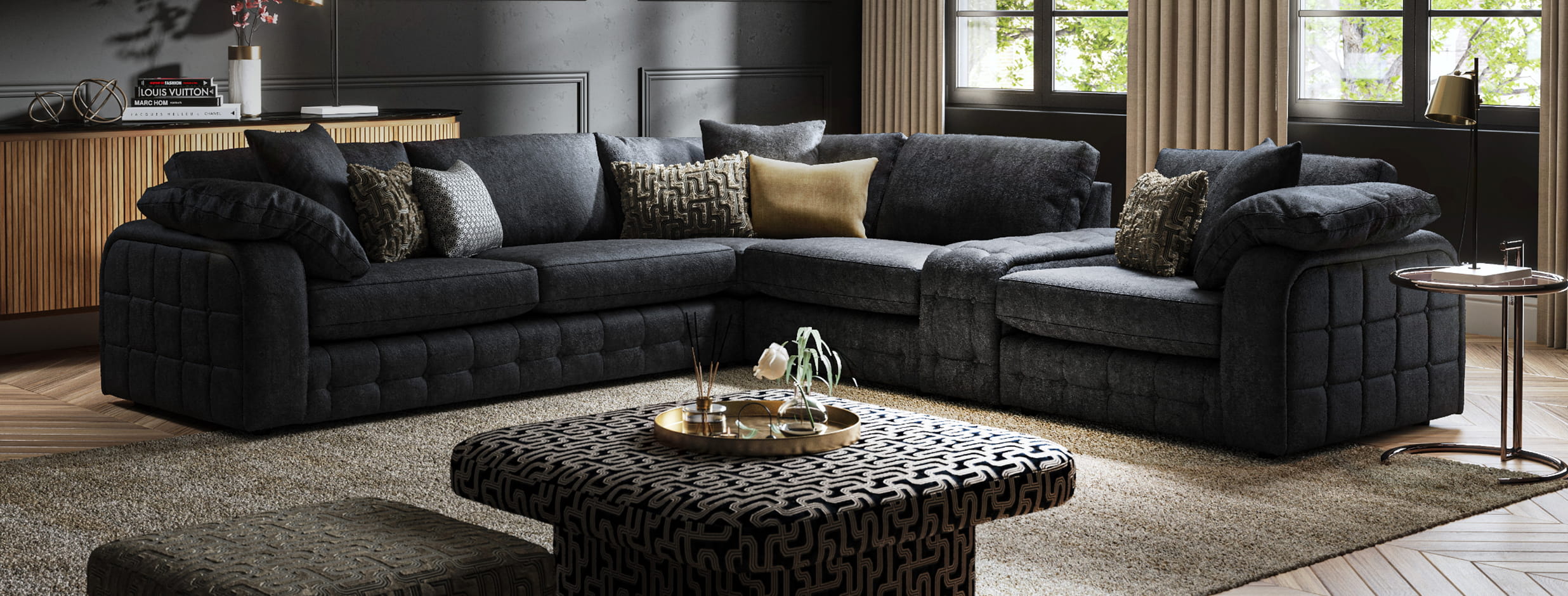
While a monochromatic décor is built around one colour, you can still create eye-catching ‘moments’ throughout the room. The trick is to use your chosen colour in unexpected places.
Try painting your walls in a deeper shade and keeping the furniture slightly lighter or do the opposite with a pale backdrop and a bold sofa. You could also use, for example, burnt orange framed artwork, with soft rust scatter cushions and a warm orange lamp. Decorative objects like a vase are perfect to spotlight the strongest shade in your palette. Bonus points if you can match your flowers to a shade in the room! After all, monochrome décor doesn’t have to be understated.
"Don't be afraid to use your boldest shade in small doses," says Julia Bilotta, Creative Stylist at Sofology. "A statement accessory or piece of artwork can draw the eye around the room and make the whole scheme feel more considered."
5. Use lighting as a finishing touch
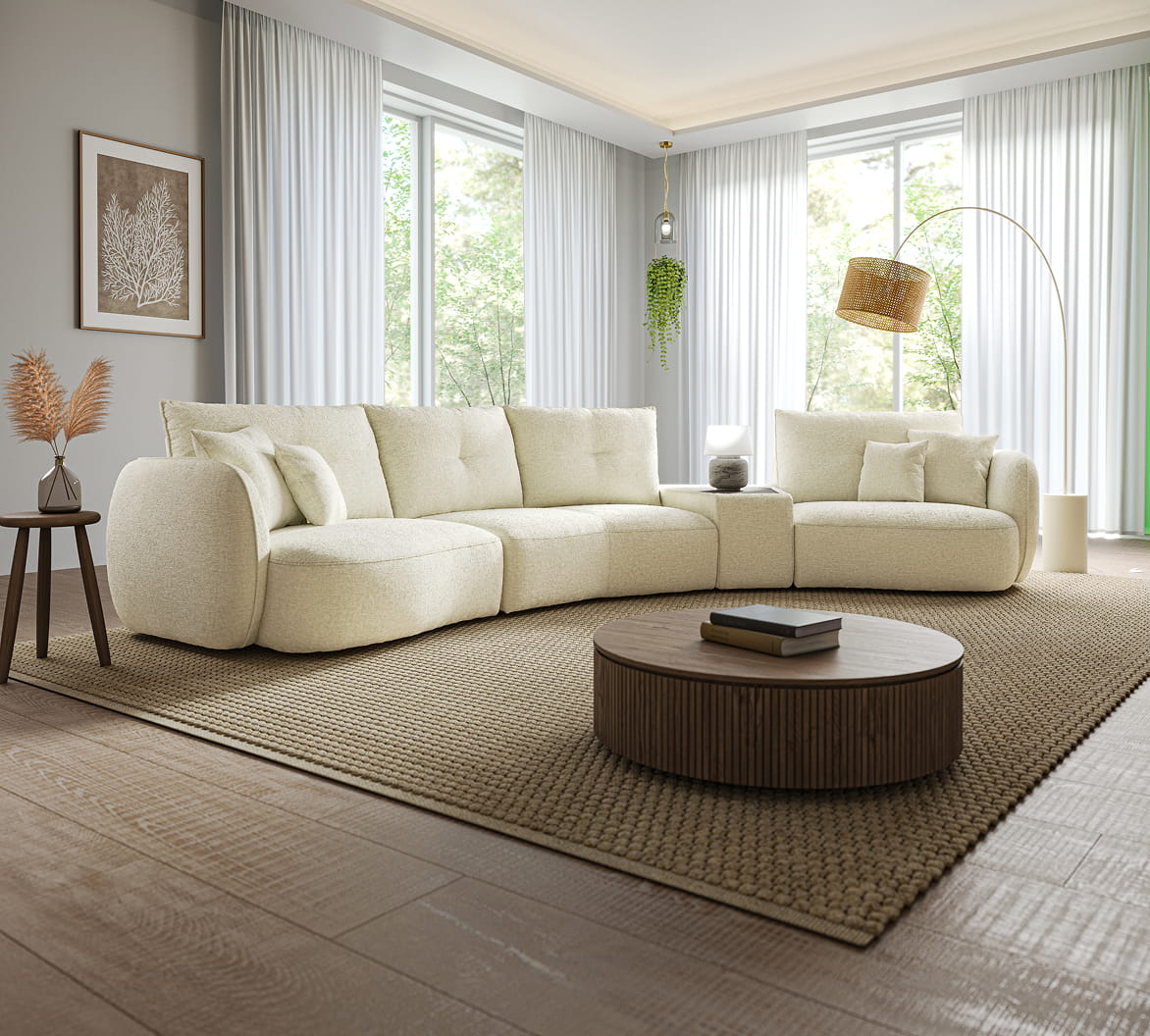
Lighting can have a surprisingly big impact on how your monochromatic living room looks. The same colour can appear completely different depending on the amount and temperature of light in the space, so it's worth considering how your scheme will look throughout the day.
Natural light will bring out the lighter tones in your palette, while warmer artificial lighting can make deeper shades feel richer and more inviting. Rather than relying on one overhead light, layer different sources around the room with floor lamps, table lamps, and wall lights to curate the cosiest living room.
You can also use lighting to highlight specific shades or features. Position a lamp next to an armchair, illuminate artwork or create a softly lit corner around your sofa. Lampshades can become another opportunity to introduce your chosen colour, too.
"Lighting is the final layer that brings a monochromatic living room together," explains Julia Bilotta. "It can completely change the way your colours are experienced, so use different light sources to create atmosphere as well as practicality."
Whether you’re leaning towards a neutral room or something a little brighter on the colour wheel, monochrome truly is a timeless design. Explore our sofa collection to find the perfect centrepiece for your own monochromatic living room today.